


June is Pride Month! This is a time to celebrate LGBTQ+ identities, honor queer history, and advocate for a safer, more inclusive world. While much of the month is rightly filled with joy, it’s also a crucial opportunity to shed light on the unique forms of violence and abuse LGBTQ+ individuals continue to face. One such form of abuse, often overlooked in mainstream conversations, is the act of outing – the disclosure of someone’s sexual orientation or gender identity without their consent.
Outing is not just a breach of trust or privacy. In the context of abusive relationships, outing is a deliberate and powerful tool of control, fear, and manipulation. For many LGBTQ+ individuals, the threat of being outed can be just as harmful as physical violence (or even lead to physical violence) – especially when it comes from someone they love or trust.
What Is Outing?
Outing is the act of revealing another person’s LGBTQ+ identity to others without their permission. This could include telling a person’s family, employer, classmates, religious community, or social circle about their sexual orientation or gender identity before that person is ready or safe to share that information themselves.
 Outing can happen publicly or privately, maliciously or carelessly, but the common denominator is this: it removes the survivor’s autonomy over their identity and often puts them in harm’s way.
How Outing Becomes a Tool of Abuse
In abusive relationships, whether romantic, familial, or platonic, the threat of outing is often used to control LGBTQ+ individuals. Here’s how:
- Coercion and Manipulation
An abuser may threaten to out a partner to force them to stay in the relationship, comply with demands, or remain silent about abuse. For example, a bisexual person in a relationship with someone of the same gender might be threatened with being outed to their employer or family members that have expressed bad feelings towards the LGBTQ+ community.
This threat can feel paralyzing. Survivors are forced to weigh the trauma of staying against the danger of being outed in unsafe environments – an impossible decision.
- Social Isolation
Outing can be used to sever the survivor’s support network. If someone hasn’t come out to family or friends, an abuser might threaten to or actually tell those people, knowing it could result in rejection or hostility. The survivor is then left isolated and more dependent on the abuser for emotional or financial support.
- Economic Control
In many workplaces, especially in areas with limited LGBTQ+ protections, being outed can jeopardize someone’s employment. An abuser may leverage this fear to control financial decisions, restrict access to income, or prevent the survivor from leaving the relationship.
- Outing as Punishment
Sometimes, an abuser will out a survivor as a form of retaliation. Such as after a breakup, after an argument, or if the survivor discloses the abuse to someone else. This vindictive act is meant to shame, humiliate, or endanger the survivor, and it often works.
The Real-World Impact of Being Outed
Being outed can have devastating consequences. LGBTQ+ people (especially youth, people of color, and those living in rural or conservative areas) face heightened risks of:
- Family rejection and homelessness
- Harassment, bullying, or physical violence
- Employment discrimination or job loss
- Mental health crises, including depression, anxiety, and suicidality
- Loss of custody or parental rights in family court settings
 According to The Trevor Project, 28% of LGBTQ+ youth who were outed against their will reported feeling unsafe in their own homes afterward. And nearly 40% of homeless youth in the U.S. identify as LGBTQ+, with family rejection or forced outing cited as primary causes.
Why This Matters During Pride Month
Pride Month is a celebration of visibility, but it should also be a reminder that coming out must always be a choice. LGBTQ+ people have a right to safety, privacy, and autonomy. When that choice is taken away through abuse, it’s not just a violation of trust – it’s an act of violence.
Abusers who use outing as a weapon exploit the very thing Pride seeks to reclaim: identity. The fear of being “found out” continues to silence survivors, keeping them trapped in dangerous situations.
As advocates, allies, and service providers, we must recognize outing for what it is: a form of abuse.
What Can We Do?
- Believe LGBTQ+ Survivors
Too often, LGBTQ+ survivors are dismissed, especially when abuse doesn’t look like the stereotypical narratives we’re used to seeing. Understand that emotional abuse, threats, and outing are real and valid forms of harm.
- Create Inclusive Resources
Make sure domestic and sexual violence services are visibly LGBTQ+-affirming. Use inclusive language, offer staff training, and create safety plans that account for the risk of outing.
- Center Confidentiality
Never assume someone is “out.” Ask survivors what name, pronouns, or identity details are safe to use and with whom. Respect their boundaries, even if you think “everyone already knows.”
- Advocate for Legal Protections
Support nondiscrimination policies that protect LGBTQ+ individuals in housing, employment, education, and healthcare. Legal protections reduce the power of outing as a weapon.
- Uplift Community Voices
Listen to and amplify the voices of LGBTQ+ survivors, especially those who are trans, nonbinary, or people of color. Their lived experiences are critical to shaping safer, more responsive systems.
 Outing is not just a personal betrayal – it’s a public danger. Abuse doesn’t always leave visible scars. Sometimes, it’s a text message that threatens to “tell everyone.” Sometimes, it’s the unspoken power of what someone knows about you.
This Pride Month, let’s celebrate by committing to safety, dignity, and choice – for everyone.
If you need any additional information, have a question, or a concern, feel free to reach out to Options at our 24-hour toll-free helpline 800-794-4624. You can also reach an advocate via text by texting HOPE to 847411 or click 24-Hour Chat with Options.
Written by Anniston Weber
This grant project is supported by the State General Fund for Domestic Violence and Sexual Assault, sub-grant number 25-SGF-07, as administered by the Kansas Governor’s Grants Program. The opinions, findings, conclusions or recommendations expressed in this publication are those of the author(s) and do not necessarily reflect the views of the Office of Kansas Governor.

 Some of the internal injuries that can occur from strangulation include:

 Many survivors of domestic or sexual violence report feeling like they’re “going crazy,” when in reality, they’re responding appropriately to an unsafe and controlling environment. Gaslighting makes that response feel wrong or invalid. It causes a deep rupture in mental health – one that can look like depression, confusion, low self-esteem, and even post-traumatic stress. People who’ve experienced gaslighting may struggle to make decisions, trust others, or even recognize abuse when it happens again.
 So how do you recognize gaslighting when it’s happening? Some common signs include: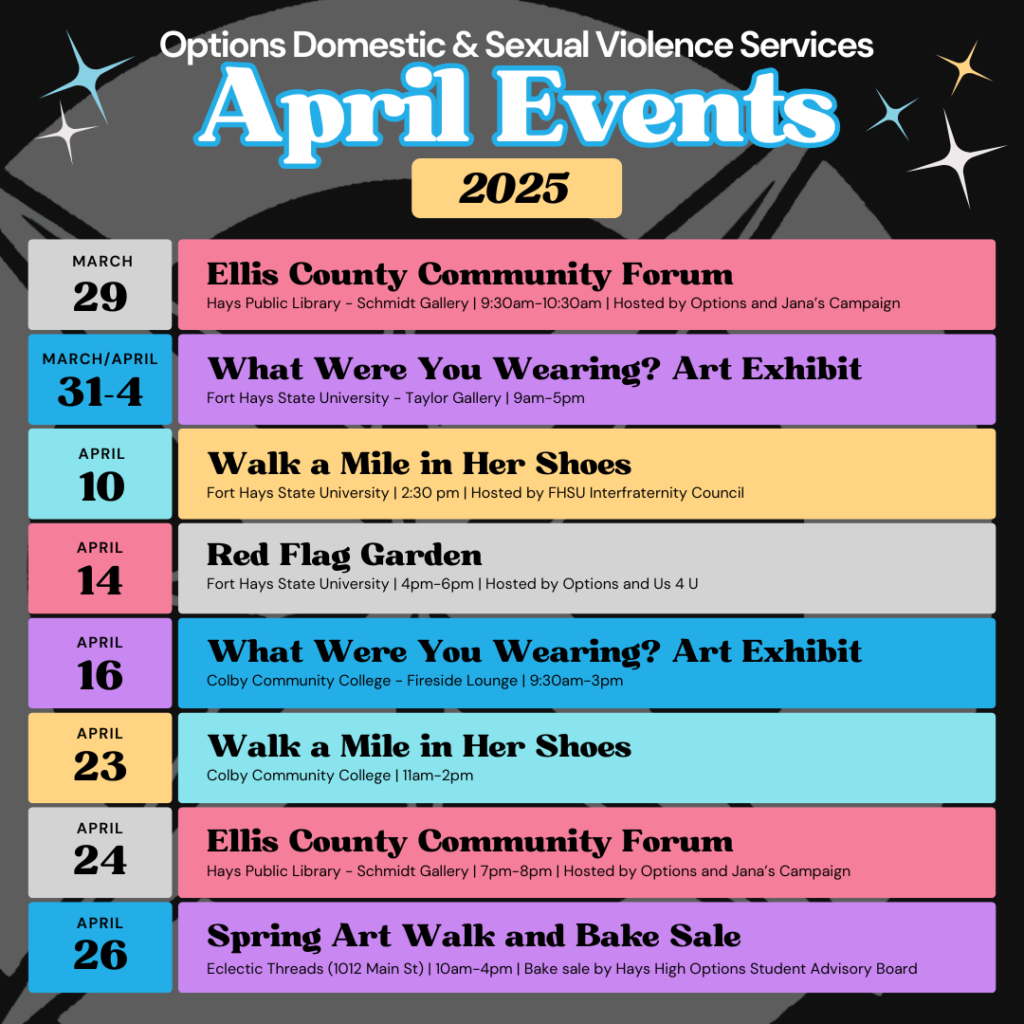
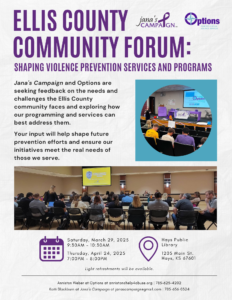 Ellis County Community Forum
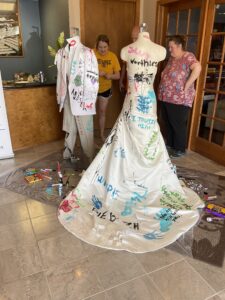
 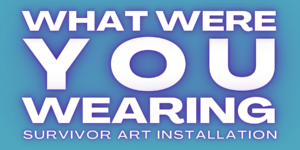 What Were You Wearing? Art Exhibit
  Walk a Mile in Her Shoes
  Red Flag Garden
 Spring Art Walk and Hays High School Student Advisory Bake Sale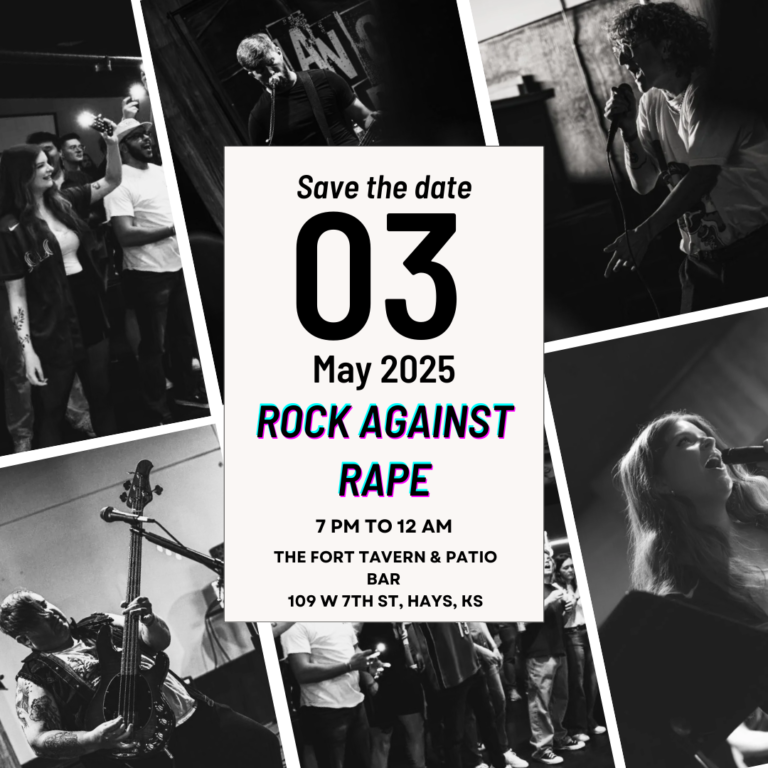

 Reproductive coercion refers to behaviors that interfere with a person’s reproductive autonomy, including:
 Why does pregnancy increase a person’s risk of homicide? There are several possible factors:
 The alleged harassment of Lively took place during the production of an ambitious project directed by Justin Baldoni. The film, touted as a groundbreaking exploration of complex gender dynamics, drew early praise for its vision but quickly became a lightning rod for criticism due to the nature of the topic: domestic violence.
 Angelina Jolie’s experience offers a chilling parallel. During her tumultuous divorce from Brad Pitt, Jolie alleged domestic abuse. Instead of being met with empathy, Jolie became the target of a PR campaign portraying her as a manipulative, alienating figure. The focus shifted from Pitt’s alleged abuse to Jolie’s parenting, mental health, and alleged vindictiveness.
 While Meghan Markle’s case doesn’t involve an intimate partner, it highlights another facet of this pattern: institutional abuse. Markle, the first woman of color to marry into the British royal family, faced relentless media attacks fueled by leaks from palace insiders. When Markle publicly discussed the racism and mistreatment she endured, the narrative quickly shifted.
 Heard’s experience set a dangerous precedent, demonstrating how powerful men can manipulate public opinion to protect their reputations. This blueprint has since been replicated, from Jolie to Markle and now, allegedly, Lively.
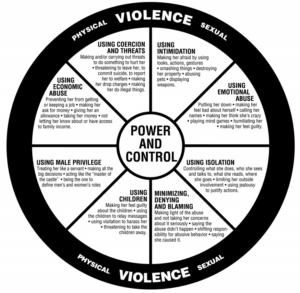 Abuse is about power and control, not about how “nice” someone is. Truly, all the women mentioned in this blog post could be bratty, snotty, snobbish women. But that doesn’t mean that they should become victims of abuse.

 Its popularity has been attributed to white supremacist Nick Fuentes (crazy that a white supremacist has a following large enough to make a trend, but I digress). Fuentes posted “Your body, my choice. Forever,” after election night. Instances of the phrase increased 4,600 percent on X during the last two weeks,
 What is unique about your role?
 Can you share a memorable success story (while maintaining confidentiality) that highlights the impact of the work you do?
 In your opinion, what are the most pressing issues facing survivors of domestic and sexual violence today?
 How has working at the agency impacted your personal views or perspectives on domestic and sexual violence (or stalking, or human trafficking)?
 Is there anything else you’d like to add?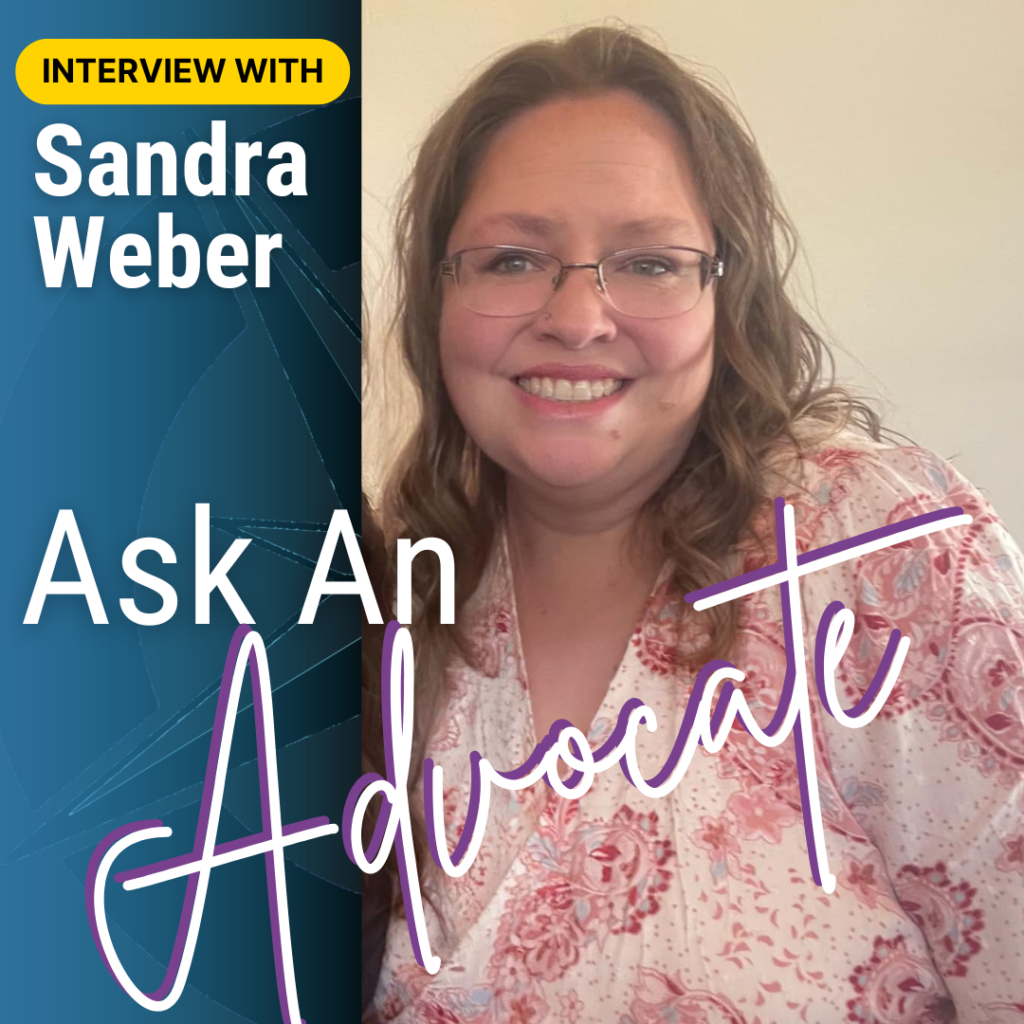
 What do you believe is the most important aspect of your job as an advocate?
 Can you share a memorable success story (while maintaining confidentiality) that highlights the impact of the work you do?
 In your opinion, what are the most pressing issues facing survivors of domestic and sexual violence today?
 How do you handle difficult situations? Personally and professionally.