

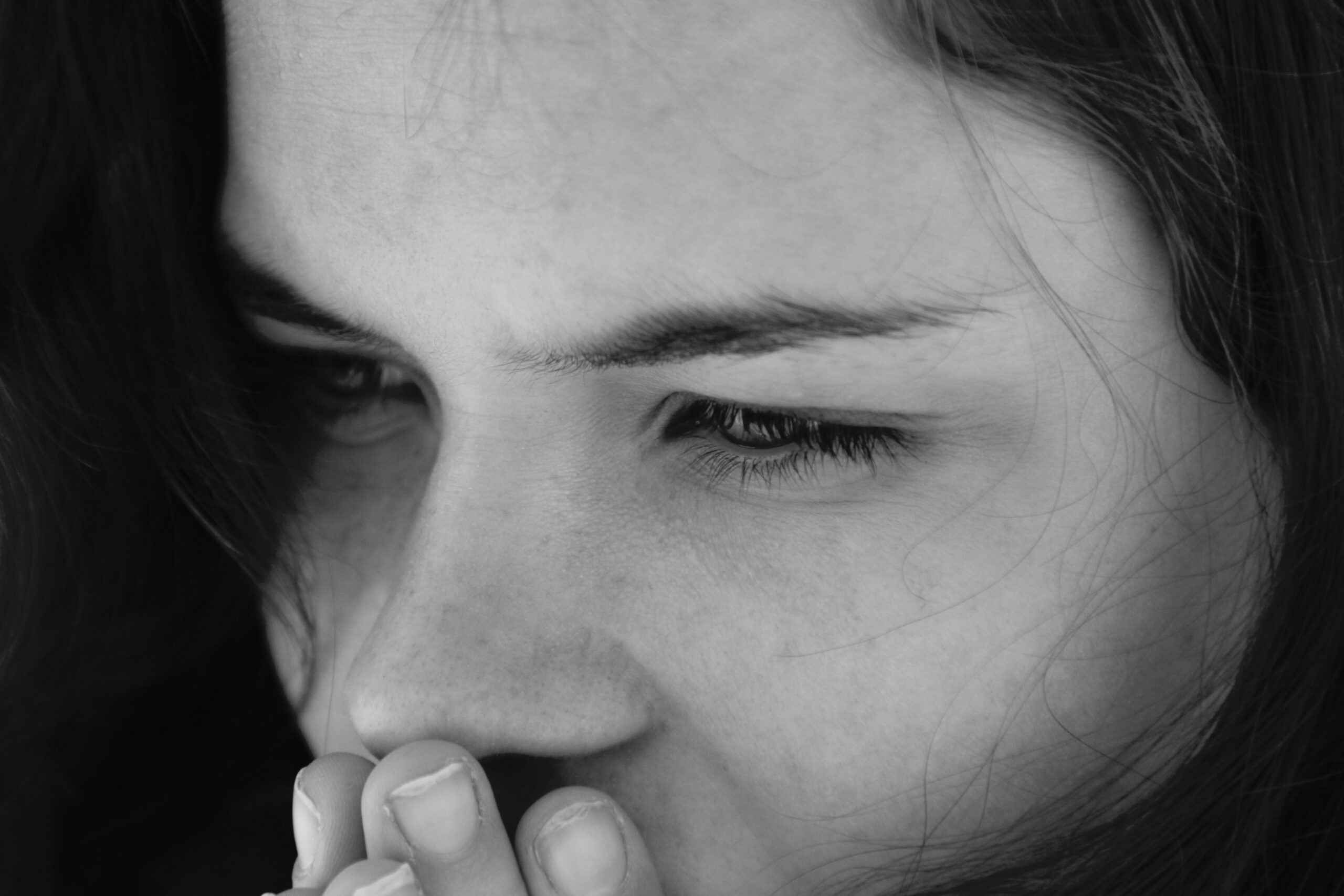
Why didn’t they report it sooner?
It’s a question survivors are asked directly, and one many quietly ask themselves. The truth is, recognizing sexual violence is rarely immediate or simple. For many people, understanding what happened can take days, months, or even years – and there are very real, human reasons for that.
At the moment something happens, the brain is focused on survival, not analysis. When a situation feels confusing, threatening, or overwhelming, the brain can shift into protective modes like freezing, appeasing, or disconnecting. These responses are not choices, they’re automatic.
Later, when the moment has passed, survivors are left trying to piece together an experience that didn’t feel clear or straightforward in the first place. It’s not unusual for someone to think, “Was that really assault?” because their body responded in a way that prioritized getting through the moment, not labeling it.
When Reality Doesn’t Match the Narrative
 Many of us grow up with very narrow ideas of what sexual assault “looks like.” We’re often taught to picture a violent attack by a stranger, something obvious and unmistakable. But in reality, sexual violence frequently involves someone the survivor knows – sometimes someone they trust, care about, or are in a relationship with. It may involve coercion, pressure, manipulation, or intoxication rather than physical force.
When an experience doesn’t match the story we’ve been told about sexual assault, it can be incredibly difficult to recognize it as harm. Survivors may minimize what happened because it “wasn’t that bad,” or because there were moments that felt consensual, or because they didn’t say no in a way they think they should have. They may focus on what they did or didn’t do, rather than what was done to them.
This is where downplaying often begins. Thoughts like “I could have stopped it,” or “I didn’t fight back,” or “they didn’t mean it like that” can take hold. These thoughts aren’t signs that the harm wasn’t real, they’re signs of someone trying to make sense of something that feels complicated and uncomfortable.
Normalization, Self-Doubt, and the Barrier to Reporting
We also live in a culture where sexual violence is, in many ways, normalized. Jokes that blur the line of consent, media that romanticizes persistence after rejection, and social environments where pressure and intoxication are expected can all make harmful behavior feel “typical” instead of unacceptable. When something harmful is normalized, it becomes much harder to identify it as harm.
This normalization plays a significant role in why many people don’t report sexual assault. If someone doesn’t fully recognize the severity of what they experienced, they are far less likely to seek support or report it. They may think, “This happens to everyone,” or “It wasn’t serious enough to count.” Even when something feels wrong, that feeling can be quickly dismissed in a culture that so often minimizes or explains away these experiences.
On top of that, survivors are often navigating intense self-doubt and social pressure. Questions about clothing, alcohol, relationships, or past behavior can create a powerful sense of responsibility for what happened. Even without anyone else saying it directly, those messages are often internalized:
“Maybe I’m overreacting.”
“Other people have had it worse.”
“I don’t want to make a big deal out of this.”
For many, acknowledging that what happened was sexual assault means confronting a painful and complicated reality – one that can impact relationships, identity, and a sense of safety. It can also mean anticipating disbelief, judgment, or consequences for the person who caused harm, especially if that person is known or connected to their life. In that context, minimizing or delaying that recognition can feel like a way to maintain stability, even if only temporarily.
 Processing Takes Time, And That’s Valid
There is no “correct” timeline for understanding or naming an experience of sexual violence. Some people recognize it right away. Others come to that realization slowly, as they learn more about consent, talk with trusted people, or reflect on how the experience has affected them.
Delayed recognition does not make the experience any less real or serious. It does not invalidate someone’s feelings, and it certainly does not shift responsibility away from the person who caused harm.
As Sexual Assault Awareness Month comes to a close, it’s important to expand our understanding – not just of what sexual violence looks like, but of how people process it. When we move away from judgment and toward compassion, we create space for survivors to come to their own understanding in their own time.
Because the questions shouldn’t be “why didn’t they realize sooner? Why didn’t they report?”
Instead, it should be, “how can we better support people as they make sense of what happened to them?”
If you need any additional information, have a question, or have a concern, feel free to reach out to Options at our 24-hour toll-free helpline 800-794-4624. You can also reach an advocate via text by texting HOPE to 847411 or clicking 24-Hour Chat with Options.
Written by Anniston Weber
This grant project is supported by the State General Fund for Domestic Violence and Sexual Assault, sub-grant number 26-SGF-07, as administered by the Kansas Governor’s Grants Program. The opinions, findings, conclusions or recommendations expressed in this publication are those of the author(s) and do not necessarily reflect the views of the Office of Kansas Governor.